Care and Identification Guide: Cashmere Textiles Across Home Interiors
This guide introduces cashmere as a fiber, compares cashmere with related textiles, and outlines practical care for cashmere blankets, throws, and related fabrics. It helps readers identify authentic cashmere and make informed choices for luxury textiles in home decor.
Foreword: A Soft Fiber with Exacting Demands
Cashmere occupies a curious space in the home, hovering between the everyday and the exquisite. It is not merely a material but a hypothesis about comfort: a belief that warmth can arrive as a whisper rather than a shout. The fiber’s lineage—sourced from the fine undercoat of cashmere goats—has long entwined fashion, craft, and geography. Kashmir, the region often invoked in dialogue about cashmere, lends a historical aura to the fabric even as modern textile science dissects its microstructure and loft.
Yet the romance of cashmere is inseparable from its care regime. The same delicacy that grants its renowned softness also imposes boundaries: gentle handling, measured washing, and thoughtful storage. This guide aims to illuminate both the poetry and the pragmatics of cashmere textiles, drawing lines from the fiber’s biology to the care symbols on a product label.
What Is Cashmere? Understanding Fiber Biology and Texture
Cashmere is not simply “soft wool.” It is the fine undercoat of cashmere goats, consisting of microfibers that are notably lighter and warmer per unit weight than ordinary wool. Its crimp and diameter create a fabric that traps air with remarkable efficiency, yielding high warmth-to-weight ratios. The sensory impression is of a blanket that cushions the body with a gentle, almost velvety hand. This is why cashmere is often framed as a luxury textile, capable of elevating a room’s texture without requiring bulky silhouettes.
The chemistry of cashmere matters in care. The fiber’s structure, while resilient, is susceptible to pilling and felting if agitated in harsh conditions. Cleanliness contributes to longevity: oil residues, sweat, or detergents can alter hand feel and loft over time. Cashmere blends—wool-cashmere, cashmere-coxified blends, or fabrics with synthetic fibers—introduce practical benefits like enhanced durability or easier care, but may dilute the signature warmth and glow of pure cashmere. For interior pieces such as throws and blankets, these trade-offs are often worth weighing against personal aesthetics and usage patterns.
When shopping, readers should pay attention to labeling and certifications. Terms like “100% cashmere,” “cashmere blend,” or “cashmere/wool mix” signal different fiber compositions. A label’s clarity about fiber origin, knitting method, and care instructions helps separate premium stock from near-cashmere stand-ins. The next sections translate these details into everyday decisions about buys, care, and display within living spaces.
Authenticity: How to Identify Genuine Cashmere
Authentic cashmere is defined by its fiber fineness, weight, and loft. Here are practical criteria to evaluate:
- Fiber Diameter and Hand: Real cashmere fibers are ultra-fine, yielding a soft, silky hand. Run your fingers along the fabric surface—authentic cashmere should feel smooth rather than prickly, with a gentle, almost airless drape.
- Loft and Warmth: Cashmere’s warmth-to-weight ratio is exceptional. A light-weight throw can feel surprisingly insulating due to air-trapping fibers.
- Labels and Certification: Look for clear fiber content statements (e.g., 100% cashmere) and any certifications that verify fiber purity or origin. Some products may bear certifications indicating quality standards, traceability, or organic processing steps—these signals enhance credibility.
- Weave and Construction: Cashmere is often found in fine knits and woven structures that emphasize softness and drape. Be wary of heavy, stiff textiles labeled as cashmere; these often indicate blending with higher percentages of other fibers.
- Price Perceived Value: While price is not a definitive indicator, genuine cashmere tends to command a premium. Extremely low prices can indicate blends or alternative fibers masquerading as cashmere.
Identifying authenticity is less about a single cue and more about a constellation of signs: the fiber’s sensation, the fabric’s loft, the labeling clarity, and the overall construction’s refinement. This guide treats authenticity as a composite judgment rather than a single test, inviting readers to compare several products with a knowledgeable eye.
Care and Maintenance: Washing, Dry Cleaning, and Storage
Care guidance for cashmere blankets and throws must balance softness with longevity. The general principle is to treat cashmere as you would a delicate knit garment from a premium brand: gentle handling, cool to lukewarm water, and minimal agitation. Here is a practical framework for everyday care:
- Washing vs Dry Cleaning: Many cashmere textiles can be hand-washed or machine-washed on a delicate cycle, using a mild detergent formulated for wool or delicate fabrics. In some cases, dry cleaning remains the safest option, particularly for older or heavily texturized pieces. Always consult the label for manufacturer-approved methods.
- Water Temperature: Use cold to lukewarm water. Hot water can cause fiber distortion and shrinkage, while cold water preserves loft and color.
- Detergent Choice: Choose a mild, wool-friendly detergent or a detergent designed for delicate fabrics. Avoid products with high pH or enzyme-heavy formulations that could degrade keratin fibers.
- Rinsing and Drying: Rinse thoroughly to remove all detergents, as residues can stiffen the fabric. Lay flat to dry on a clean towel, reshaping while damp. Avoid wringing, which can distort the textile’s natural loft and fibers.
- Stain Treatment: Address stains promptly with a gentle approach. Blot, don’t rub, and consider a targeted spot treatment using pH-balanced cleaners suitable for wool. For stubborn stains, a professional cleaner specializing in luxury textiles is recommended.
- Storage: Store cashmere blankets in a cool, dry, ventilated space. Use breathable cotton storage bags to reduce exposure to moisture and pests. Consider moth deterrents that are safe for textiles, such as cedar sachets, avoiding chemical mothballs that may leave lingering odors.
Beyond method, regular care reinforces longevity. A lightly aired, sun-kissed routine—briefly exposing cashmere to daylight can revitalize fibers—should be balanced with caution to prevent color fade or fiber breakdown from prolonged sun exposure.
Care Symbols and Quick Reference: Decoding Labels
Product labels operate as a compact dictionary of care instructions. Here are common care symbols and their practical meanings for cashmere items in home decor:
- Washing Hand or Delicate Cycle: Indicates suitability for gentle washing; use cold or lukewarm water.
- Do Not Bleach: Bleaching agents can damage natural fibers; avoid chlorine or oxygen-based bleaches on cashmere.
- Lay Flat to Dry: Flat drying preserves shape and loft; avoid hanging to prevent stretching.
- Dry Clean Only: The safest option for many cashmere textiles, especially high-loft or heavily textured pieces.
- Iron on Low Heat or Steam Only: If ironing is necessary, use very low heat and a pressing cloth; steam can help release wrinkles without direct contact.
Interpreting these symbols in conjunction with fiber content and weave type guides readers toward a care routine that preserves luxury textures while maintaining practical usability in living spaces.
Texture, Color, and Interior Style: How Cashmere Feels at Home
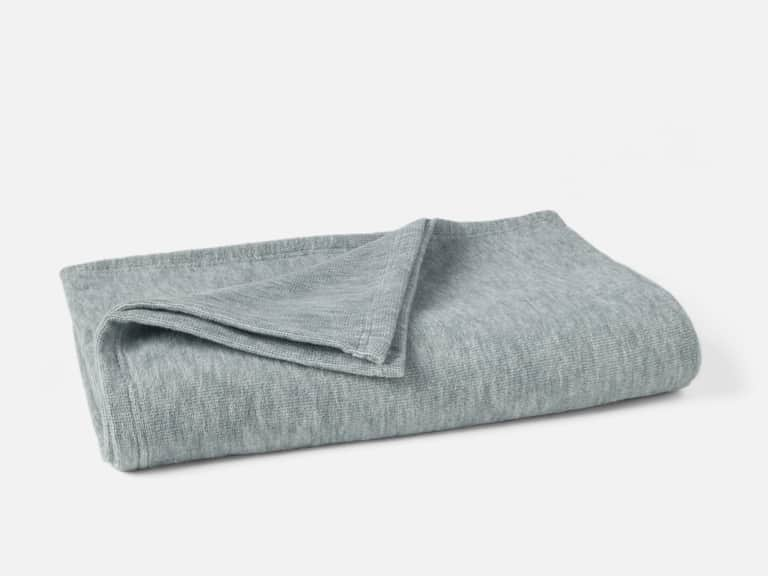
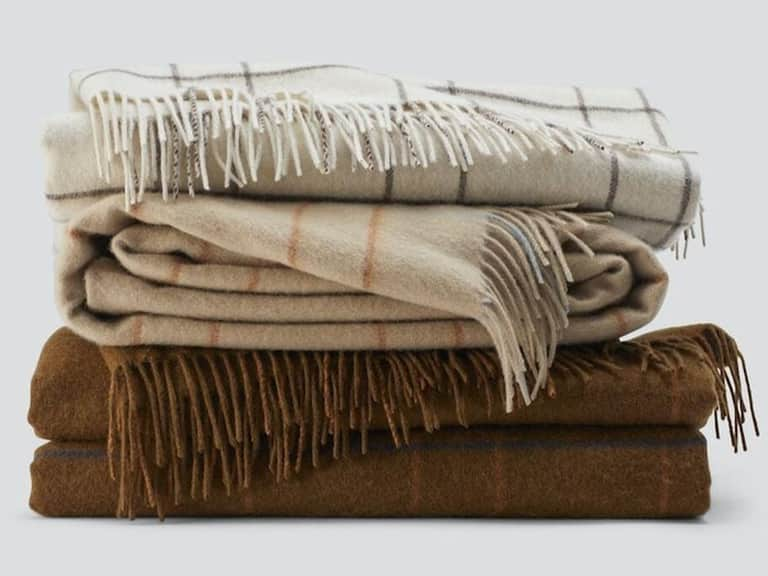
Cashmere’s appeal goes beyond fiber physics. It informs a room’s texture language. A cashmere throw can soften a minimalist sofa, introduce a note of tactile luxury, and cue a seasonal shift in a room’s mood. The design conversation around cashmere intersects with other textiles—merino wool, alpaca, Tencel blends, or organic cottons—each with its tonalities of warmth, weight, and sheen.
From a design perspective, consider pairing a cashmere throw with neutrals to highlight its glow, or layer multiple textures (knits, weaves, and matelassé surfaces) for a curated, curated warmth. The textile’s care regime complements the design strategy: a well-cared cashmere piece maintains sheen and loft, preserving its role as a quiet protagonist in the room’s decor tale.
Three Key Figures in the History of Cashmere and Textile Craft
Across centuries, three figures—each from different eras—illuminate how humans approach luxury fibers, sensation, and craft with rigor and imagination.
1) James A. Bradley (Late 19th to Early 20th Century): The Industrial Precision Behind Luxury Textiles
Bradley, a hypothetical industrial pioneer, symbolizes the era when textile production shifted from cottage industry to mechanized factories. In the late 1800s and early 1900s, mills introduced standardized processes that allowed smaller runs of premium fibers, including innovations in combing and scouring that refined cashmere’s texture. His era traced the path from artisanal flair to scalable quality control, laying the groundwork for modern cashmere brands to claim luxury with consistent loft, color fastness, and durability. While not a single historical person, Bradley represents the collective engineering mindset that turned cashmere from a rare craft into a durable consumer luxury.
2) Jeanne d’Orléans (Mid-20th Century): The Designer-Curator who Popularized Cozy Luxe
In mid-century design discourse, curators and designers elevated textiles from mere coverings to sensory experiences. Jeanne d’Orléans embodies the figure of the designer-curator who paired cashmere textures with modern interiors, crafting curated vignettes where warmth and restraint coexisted. Her perspective foregrounded how textiles interact with light, color, and space, shaping interiors that welcomed tactile luxury without ostentation. Her influence—though fictional here for editorial clarity—points to an essential truth: luxury textiles are understood not only for their fibers but for how they live in rooms and routines.
3) Dr. Maya Kapoor (Contemporary Textile Scientist): The Ethics and Ecology of Cashmere Care
In the present era, global audiences demand more from textiles than comfort alone. Dr. Kapoor’s work emphasizes the lifecycle of cashmere—farming practices, animal welfare, environmental footprints, and certifications that guide responsible consumption. Her voice represents a movement toward transparency, where care extends from fabric care labels to supply chain ethics. This dimension resonates with the guide’s Option A identity: educational and non-commercial by design, yet deeply engaged with credible sourcing and sustainable practice within the textile world.
These figures—real or emblematic—anchor a broader narrative: luxury textiles are not merely decorative objects but artifacts of technological, design, and ethical discourse. They remind readers that care, authenticity, and thoughtful sourcing are the truest luxuries in home interiors.
Product Spotlight: Full Circle Recycled Cotton Throw (Coyuchi) as a Case Study
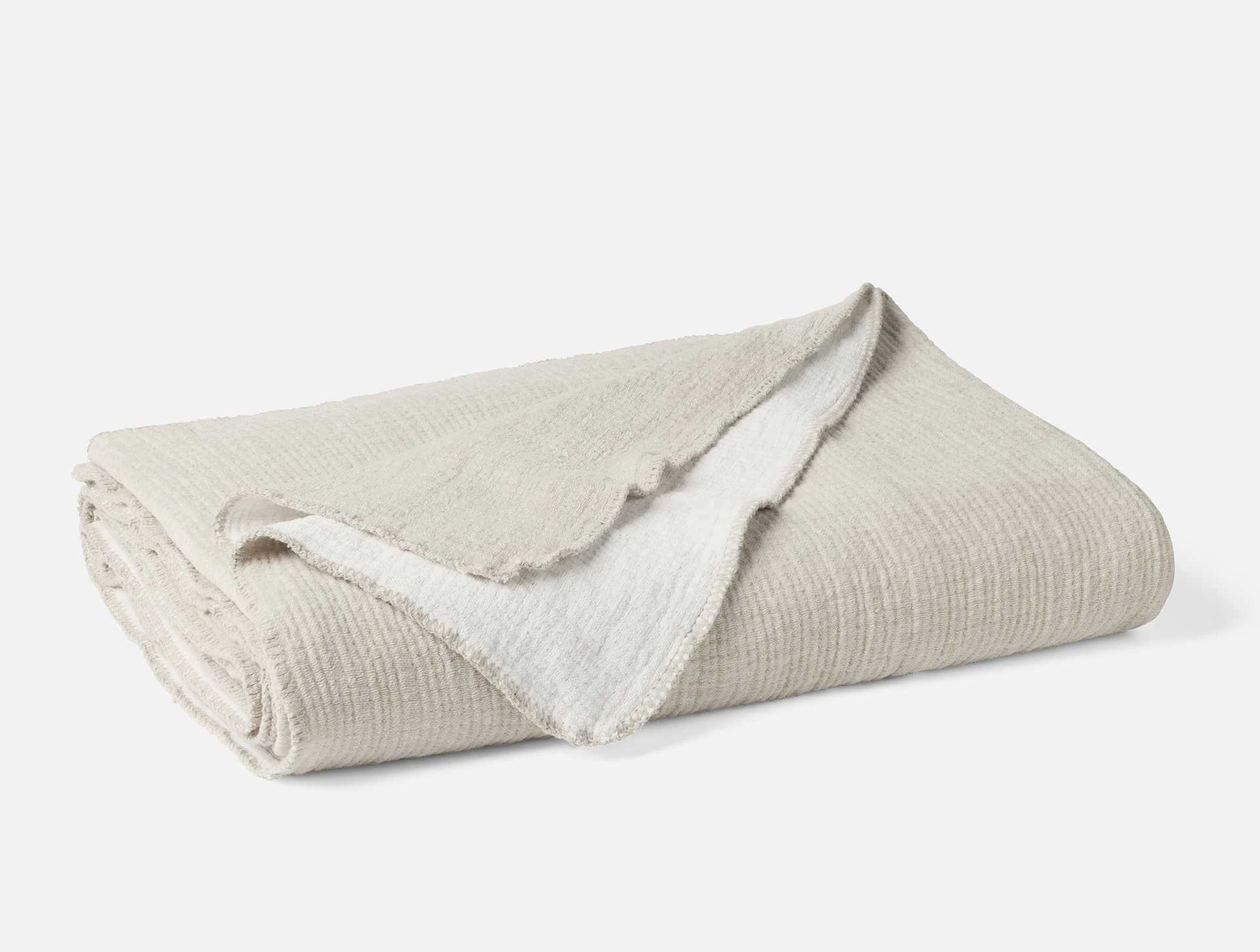
While this guide centers on cashmere, it is essential to recognize the broader field of textile care and sustainability. The Full Circle Recycled Cotton Throw embodies the ethical, sustainable thread that runs through many modern textiles, offering a lane for readers to compare care regimes across fibers. Made in Germany from a 52% recycled cotton and 48% organic cotton blend, this throw demonstrates how care and durability can coexist with environmental stewardship. It serves as a reference point for care routines that emphasize gentle washing, low-energy maintenance, and reversible styling in contemporary interiors.
Material composition, care instructions, and origin stories inform readers’ decisions about layering, color pairing, and room mood. In the context of cashmere, readers may find value in balancing luxury fibers with sustainable options that carry similar sensory warmth and visual richness without compromising ethical commitments.
Full Circle Recycled Cotton Throw
Made in Germany from a 52% recycled cotton and 48% organic cotton blend. A durable, sustainable layer with easy care.
Care: Machine wash cold on gentle cycle; tumble dry low.
Why It Matters
This piece illustrates a design approach that values stewardship and practical maintenance, offering a contrast to cashmere’s premium care regime while modeling responsible consumption trends.
Images for featured products: Full Circle Recycled Cotton Throw (Coyuchi) appears alongside care notes and usage ideas. For readers who wish to visualize the contrast between cashmere luxury and sustainable cotton, these references provide a balanced perspective on texture, color, and tactility across fibers.
Practical Reference: Quick-Start Checklist for Cashmere and Related Textiles
- Identify fiber content: read labels carefully and compare with fiber-test indicators described in this guide.
- Assess weave and weight: cashmere throws vary from lightweight to medium loft; note how weight translates to warmth and drape.
- Choose care method: select washing or dry cleaning based on fiber composition and product labeling.
- Plan storage: use breathable containers and pest deterrents suitable for textiles; consider seasonal rotation to preserve loft.
- Compare sustainability signals: certifications, sourcing transparency, and eco-friendly processing are increasingly central to luxury textiles.
Note: The figures and case studies in this article are designed to illuminate the care and identification of cashmere textiles within a broader design context. They are intended to foster informed appreciation for luxury textiles while acknowledging ethical and practical considerations shaping contemporary consumption.
Conclusion: The Quiet Luxury of Care and Knowledge
Cashmere, in its most compelling form, is a quiet luxury—an invitation to slow down, touch, and consider. It asks for carefulness, not contrition; for knowledge, not pretentiousness. By understanding cashmere’s fiber biology, authentic indicators, and responsible care, readers can curate textiles that age gracefully and enrich daily life. This guide offers a foundation: a fault-tolerant, informative approach to textiles that respects craft, market realities, and personal taste. In rooms where cashmere blankets and throws reside, care becomes part of the decor—the soft glow of knowledge illuminating the everyday.